October 9, 2026
Gin Bar NYC: Where Classic Elegance Meets Creative Mixology
By @augustlnow874
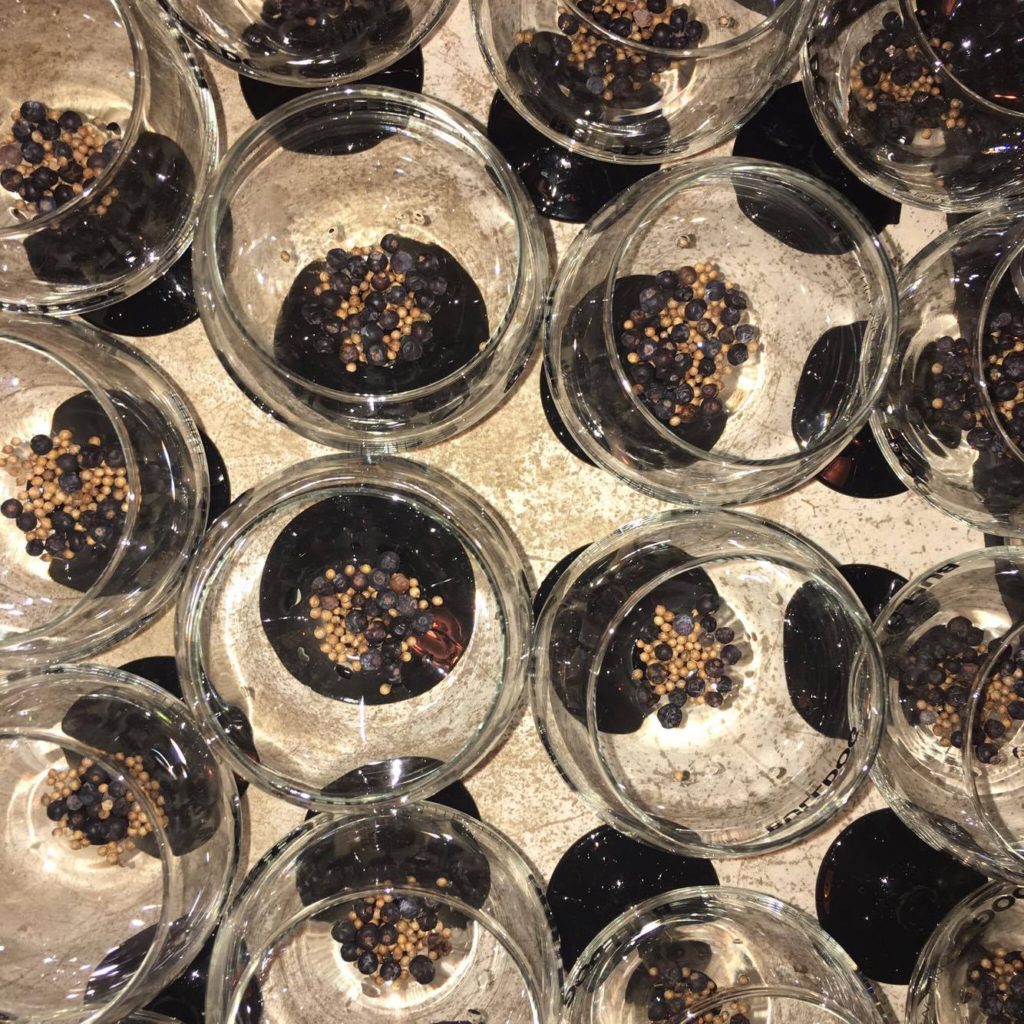
New York has always rewarded specialization. The city loves steak houses that obsess over dry aging, coffee bars that argue over water temperature, and tiny wine rooms with cellars deeper than some restaurants' entire beverage programs. A great Gin Bar NYC experience fits that same pattern. It takes a spirit people often flatten into a single note, usually "juniper," and opens it up into a full sensory language of citrus, herbs, roots, spice, flowers, texture, and temperature.
That matters because gin is one of the most misunderstood spirits on the back bar. Whiskey has inherited seriousness. Tequila has gained cachet. Mezcal carries a cloud of mystique. Gin, for many drinkers, still gets reduced to martinis, tonic, and perhaps one regrettable college-era gin and juice. Spend an evening in the right New York bar, though, and that limited view falls apart quickly. You begin to taste how broad the category really is, from crisp London dry styles to softer contemporary gins, from savory botanical builds to bright, almost perfume-like expressions that can shift a cocktail by a full gear.
The best gin bars in the city understand something simple but important. Gin is both historical and highly adaptable. It can support ritual and experimentation at the same time. That dual character is exactly why it works so well in New York, a place that respects classic hospitality but rarely leaves a good idea untouched.
Why gin makes so much sense in New York
A city bar has to do a lot of work in a small amount of space. It has to create atmosphere quickly, manage a fast pace, and give guests a reason to return when there are thousands of alternatives within a short train ride. Gin helps on all three fronts.
First, it gives bartenders range. A whiskey-focused menu often leans rich and spirit-forward. A tequila-heavy list can skew bright, saline, or tropical. Gin can move almost anywhere. It handles a bone-dry martini, a highball with lift, a citrus sour, a spritz, an herbal smash, or a savory riff that lands nearly culinary. That versatility is useful in a city where one table wants pre-theater precision, the next wants a long low-alcohol drink, and someone at the bar asks for a drink "not sweet, but still interesting."
Second, gin naturally invites conversation. Guests ask what botanicals are in the bottle. They notice the garnish. They compare one martini build with another. A good gin program turns ordering into a small act of discovery without making it feel like homework. In New York, where bars often need to establish trust with a first-time Gin Bar NYC guest in under five minutes, that kind of engagement matters.
Third, gin suits the city's aesthetic range. It can feel polished in a hotel bar, mischievous in a downtown basement room, sunny at brunch, and quietly serious in a dim corner banquette. Few spirits travel so well across moods.
The atmosphere of a proper gin bar
A true gin bar does not need to look Victorian, though some lean into old-world cues like brass railings, etched glass, and polished wood. It does not need an encyclopedic back bar either, though many take pride in deep collections. What it does need is clarity of purpose.
You can usually sense that purpose before the first sip. The glassware is chosen with intent. Ice quality is taken seriously. The tonic, if offered, is not an afterthought from a soda gun. Garnishes are fresh and restrained. Staff members can explain the difference between a juniper-forward London dry and a softer botanical gin without slipping into a lecture. Menus are written for people who want pleasure first and detail second.
That balance is harder to achieve than it sounds. Plenty of places carry excellent gin but do not build an experience around it. Others overcorrect and make the spirit feel precious. The sweet spot is a bar that treats gin with respect while keeping the room relaxed. In practice, that usually means a menu that includes classics, a few house signatures, at least one excellent gin and tonic built with care, and bartenders who know when to guide and when to step back.
Classic elegance still sets the standard
The modern gin revival has produced plenty of inventive drinks, but classics remain the clearest test of a bar's discipline. In New York, where standards are high and guests often know exactly what they want, there is nowhere to hide behind smoke, foam, or elaborate garnish.
Take the martini. It seems simple, yet every choice matters. The gin itself changes the entire frame. A firm London dry will spotlight juniper and citrus peel. A newer style gin with cucumber or floral notes softens the profile. Then there is the vermouth ratio, the temperature, the dilution, whether the drink is stirred to silk or held slightly tighter, and the garnish. A lemon twist lifts and sharpens. An olive shifts the drink into savory territory. A pickled garnish can be charming in the right room and deeply distracting in the wrong one.
A polished gin bar understands these trade-offs. It asks enough questions to get the drink right without turning the order into an interview. It also respects the guest who wants a martini that tastes like a martini, not a stunt.
The same applies to the Negroni. On paper, equal parts sounds democratic. In practice, a bar has to decide whether it wants bitterness to lead, gin to anchor, or vermouth to soften the edges. Different gins demand different handling. A forceful, piney bottle can cut through Campari and sweet vermouth beautifully. A gentler gin may disappear unless proportions shift. When a bartender knows that instinctively, the drink feels effortless. When they do not, the result is blunt or muddy.
Then there is the gin and tonic, still one of the most revealing orders at any bar that claims to care about gin. Done well, it is bright, bitter, aromatic, cold, and refreshing without feeling generic. Done poorly, it is just carbonated filler. In the best New York rooms, you can tell someone has thought about glass shape, bubble retention, garnish oils, tonic sweetness, and even the pace at which the drink opens as the ice melts.
Creativity works best when it respects the spirit
Innovation in gin cocktails tends to succeed when bartenders remember that gin already contains complexity. You do not need to bury it under six modifiers to make it interesting. In fact, too many ingredients often flatten the very qualities that make gin worth featuring.
Some of the strongest contemporary gin cocktails in New York use a surprisingly light touch. A little saline can sharpen citrus and pull herbal notes forward. A measured amount of fino sherry can add dryness and a nutty edge without overwhelming the base. Fresh herbs can echo existing botanicals rather than competing with them. Even fruit, often handled too generously, can work beautifully when used for acidity or perfume rather than sugar.
I have often found that the most memorable gin drinks are not the loudest ones. They are the drinks where a bartender has clearly tasted the base spirit and built around its architecture. If the gin leans toward coriander and lemon peel, the cocktail may want brightness and texture. If it carries a softer floral profile, perhaps the right move is restraint, not amplification. If it is earthy or savory, a touch of bitterness can give it backbone.
This is where a good gin bar separates itself from a bar that simply stocks many bottles. Curation matters, but application matters more.
What to look for when choosing a gin bar in NYC
Not every bar with a good martini is a gin bar, and not every gin bar is right for every night out. New York makes this distinction especially clear because the city offers so many styles of drinking, from hotel grandeur to neighborhood intimacy.
- A focused gin selection with real variety, not just five labels from the same flavor family
- A menu that includes both classics and house drinks, showing confidence rather than trend chasing
- Staff who can recommend a gin based on taste preference, not brand prestige alone
- Proper tonic, fresh garnish, and clean glassware, because details matter more than décor
- A room that matches your evening, whether that means date-night polish, solo bar-seat ease, or group energy
These points sound basic, but they tend to predict satisfaction better than hype. A packed room with a famous name can still deliver a careless G&T. A quieter neighborhood bar with a thoughtful beverage director can give you one of the best gin drinks of the month.
Neighborhoods shape the experience
Part of the charm of finding a Gin Bar NYC destination is that the city changes the meaning of the category from one neighborhood to the next. Uptown, gin often lives comfortably inside a world of formal service, plush seating, and well-executed classics. You might find a martini that arrives icy and exact, with a measured elegance that rewards slowing down.
Downtown, the mood may be looser and more exploratory. Menus can tilt seasonal, experimental, or slightly irreverent, with savory riffs, clarified cocktails, or unexpected pairings. The room is often louder, the energy more kinetic. That does not make the drinks less serious. If anything, some of the city's most thoughtful bartenders prefer these settings because they can push boundaries without abandoning hospitality.
In Brooklyn, gin programs often intersect with broader craft sensibilities. You may see local distillery features, rotating menus, or food pairings that take the spirit's herbal side seriously. Queens, meanwhile, can surprise drinkers who assume all refined cocktail culture sits in Manhattan. Some bars there approach gin with a level of warmth and individuality that bigger-name rooms struggle to match.
This geographic diversity is one reason gin culture thrives in New York. The city gives the spirit enough contexts to show all of its faces.
The bartenders make the difference
Bottle selection gets attention because it is visible. Skill behind the stick matters far more. Gin is unforgiving of imprecision. Because many expressions are aromatic and relatively lean compared with brown spirits, imbalance shows quickly. Over-dilute a gin martini and it feels washed out. Under-dilute it and the alcohol juts forward. Use an overly sweet modifier and the botanicals collapse. Add too much citrus and you erase subtler notes the distiller spent effort to preserve.
Experienced bartenders know that gin responds to tiny calibrations. They also know that guest preference can vary wildly. One person wants a freezer-cold, almost severe martini with only a whisper of vermouth. Another wants a fifty-fifty build with softer botanical gin and a lemon twist. A third says, "I don't usually like gin," which often translates to "I've only had badly made gin drinks."
That last guest is where a good gin bar can win loyalty. A smart bartender does not challenge the statement. They ask what the guest does like. Crisp? Dry? Citrusy? Bitter? Herbaceous? From there, they can offer a tailored path in. Sometimes it is a restrained Tom Collins with fresh acid and clean bubbles. Sometimes it is a white Negroni if the guest enjoys bitterness but not sweetness. Sometimes it is a gin highball with just enough aromatic lift to reframe the category entirely.
Hospitality is not only knowledge. It is translation.
Food matters more than many drinkers realize
Gin often performs brilliantly with food, yet many people still think of it mainly as a pre-dinner spirit. In practice, its botanical structure can complement a wide range of dishes if the bar or restaurant understands the pairing.
Briny snacks are the obvious starting point. Oysters, anchovies, olives, and crisp fried bites all play well with gin's brightness and dryness. Herb-driven dishes can be wonderful too, especially when the cocktail echoes rather than duplicates the seasoning. A drink with citrus peel and subtle spice can sharpen a plate of roast chicken or grilled fish without overwhelming it. Even richer dishes can work, provided the drink brings enough bitterness or acid to reset the palate.
This is another place where New York bars have an advantage. Many operate in spaces where food is not decorative but integral. The strongest gin programs take this seriously. They think about salt, fat, acid, and texture. A well-made martini with a cold oyster still feels like one of the city's great simple luxuries, but there is plenty of room beyond that familiar pairing.
Price, value, and the New York reality
No conversation about going out in New York is complete without acknowledging cost. A serious cocktail in a well-run bar is not cheap, and gin is no exception. By the time you factor in rent, labor, high-quality ice, premium spirits, vermouth storage, fresh citrus, and glassware breakage, the economics become obvious. Guests may still feel sticker shock, but the price often reflects real overhead rather than pure markup fantasy.
Value, then, comes down to execution and fit. A twenty-dollar drink that arrives balanced, cold, and exactly suited to your mood can feel fair. A slightly cheaper drink made carelessly feels expensive no matter the total. This is one reason seasoned drinkers often return to the same few bars. Reliability reduces regret.
If you are trying a new place, timing can help. Early evening often gives you better access to bartenders and a calmer room, which improves both service and conversation. Late-night visits can be fun, but they sometimes flatten nuance. A packed room is exciting. It is not always the best place to judge a bar's gin program at its highest level.
Ordering with confidence
People sometimes overcomplicate gin because the category carries so many style cues, from traditional British associations to modern craft language. Ordering well is easier than it seems. You do not need expert vocabulary. You just need a sense of what you enjoy and a willingness to be specific.
A few useful prompts can change the experience:
- "I like citrus and dry drinks, but not aggressive bitterness."
- "I want something refreshing, not sweet, with a little herbaceous character."
- "I usually drink whiskey, can you make me a gin drink with some structure?"
- "I love martinis, but I want to try a softer gin tonight."
- "I don't know much about gin, what bottle would you pour for a simple tonic?"
Those kinds of details help more than naming a random brand you vaguely remember from a friend's apartment shelf. They also invite bartenders to do what they do best, which is guide without imposing.
The ongoing appeal of gin in a trend-heavy city
New York's drinking culture can be trend-sensitive. Ingredients surge and disappear. Techniques become fashionable, then commonplace, then dated. Gin has survived all of that because it is not dependent on novelty. It supports nostalgia without getting stuck there, and it welcomes experimentation without requiring spectacle.
That resilience comes from the spirit's basic design. Gin is built on botanical interplay, which means it can keep revealing new dimensions as bartenders, distillers, and guests bring different priorities to it. One era may favor ultra-cold minimalist martinis. Another may lean toward savory garden-driven cocktails. Both can coexist because gin is broad enough to handle both.
A good Gin Bar NYC venue taps into that elasticity. It honors the old grammar of the cocktail while speaking in a contemporary voice. It can pour a textbook martini for the purist, then send out a seasonal gin drink with herbs, saline, and a whisper of fruit for the curious table across the room. It can feel luxurious without stiffness and creative without chaos.
That blend of discipline and freedom is very New York. It is also the reason gin continues to matter here. When handled well, it gives the city exactly what it likes in a night out: craft, character, style, and just enough surprise to make another round feel like a good idea.
The Winslow
243 E 14th St
New York, NY 10003, United States
Phone: +1 212-777-7717
FAQ About Gin Bar NYC
How to do a gin tasting?
Start with a small pour and gently smell the gin before taking a small sip. Notice its juniper, citrus, floral or spice notes, then compare how the flavor changes with a little water or tonic. At a gin bar, ask the bartender to explain the selection and botanical pairings.
How to make the best tasting gin and tonic?
Use chilled gin, fresh tonic and plenty of ice. A common starting ratio is one part gin to two parts tonic, adjusted to taste. Choose a garnish that complements the gin's botanicals and stir gently to preserve the bubbles.
What is the smoothest tasting gin?
There is no single smoothest gin for everyone. Perceived smoothness depends on the botanical recipe, alcohol strength, serving temperature and mixer. Describe whether you prefer citrus, floral, herbal or juniper-forward flavors so a bartender can suggest a suitable style.
❧