October 9, 2026
Seasonal Drink Trends to Watch at a Gin Bar NYC
By @augustlnow874
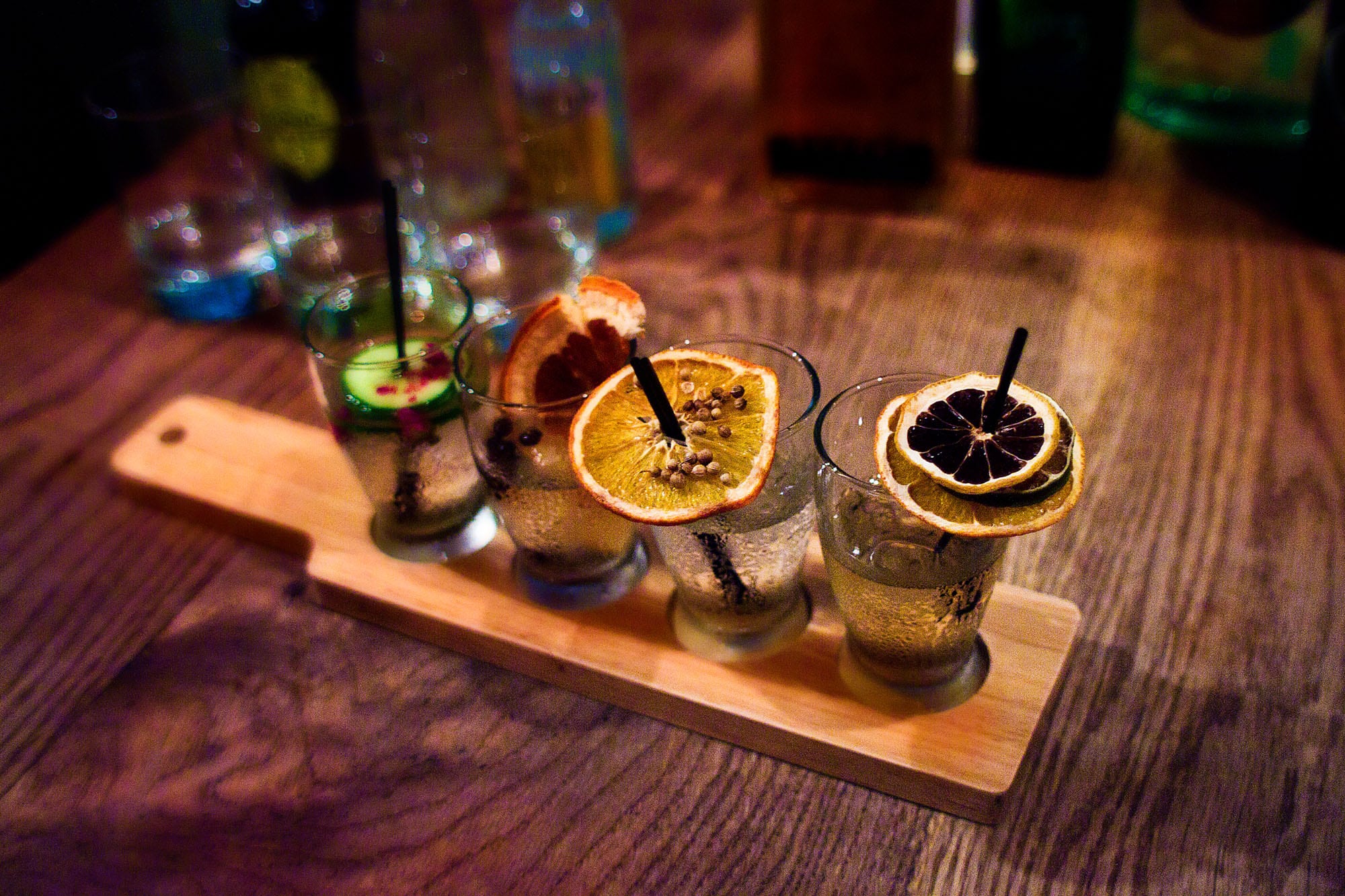
Seasonal drinking in New York has its own rhythm. You can feel it not only in what guests order, but in how they order it. The first hot weekend of May brings a run on tall, icy gin drinks with tart citrus and herbs. The first cold snap in November changes the room overnight, and suddenly people want darker aromatics, richer textures, and cocktails that feel a little quieter in the glass. At a well-run Gin Bar NYC, those shifts matter. They shape menus, purchasing decisions, garnish programs, staffing, and even glassware.
Gin is especially well suited to seasonal change because it carries so much botanical range. It can be bright and lifted, resinous and wintry, savory and green, floral and restrained. A smart bar does not just swap one syrup for another and call it a seasonal menu. It reads the season through temperature, produce, mood, and what city drinkers are craving after work on a Wednesday versus what they want on a Saturday night. Those are not always the same thing.
The most interesting trend right now is not one single flavor or format. It is the move toward precision. Guests still want drinks that feel fun and timely, but they also expect balance. The pumpkin-spice era trained people to recognize seasonal cues quickly. The better bars have moved beyond obvious cues and are building cocktails with a more confident hand. The result is a seasonal program that feels specific rather than theatrical.
The return of fresh green flavors in spring
Every spring, gin comes back into focus. Part of that is practical. Lighter spirits simply make more sense when the air softens and the city starts spilling outdoors. But spring is also when gin’s botanical complexity feels most alive. Juniper, coriander, angelica, citrus peel, and floral notes have a natural affinity for the produce that starts appearing behind the bar and at the market.
A few years ago, many spring drinks leaned too hard on elderflower and cucumber. Those combinations are still appealing, but now the trend has widened. Bars are reaching for snap pea, parsley, dill, sorrel, mint in smaller doses, and even celery leaf. The goal is not to turn the cocktail into salad. It is to create a fresh, green edge that tastes crisp rather than sweet.
One of the better spring builds I’ve seen recently used London dry gin with fino sherry, a restrained snap pea cordial, lemon, and a tiny amount of dill. It worked because the dill was barely there, just enough to create lift. That is often the difference between a drink that sells all night and one that guests try once for novelty. Seasonal success at a Gin Bar NYC often comes down to restraint.
Texture also matters in spring more than many menus acknowledge. Early warm-weather drinks should not all be thin and aggressively acidic. A touch of salinity, a small amount of egg white or aquafaba, or a short shake with fresh juice can give a spring cocktail enough body to feel complete without dragging it into summer punch territory. Guests may not articulate that distinction, but they feel it immediately.
Another notable shift is the use of verjus, dry vermouth, and lightly fortified wines to lengthen spring cocktails. This speaks to a broader urban drinking habit. People still want flavor, but many do not want every first drink of the night to arrive at full strength. Lower-proof spring serves let a bar offer sophistication without asking guests to commit too hard too early.
Summer favors length, bubbles, and high-definition citrus
Summer trends can look repetitive from a distance. Every bar claims to have its own spritz, its own frozen drink, its own cucumber-citrus refresher. The real differences show up in execution. At a Gin Bar NYC, where the category itself suggests a certain level of botanical literacy, summer drinks now tend to fall into three camps: carbonated highballs, polished crushed-ice drinks, and spritz-style cocktails with a cleaner flavor profile.
The gin highball is finally getting the respect it deserves. For years, too many places treated it as a default mixed drink, little more than gin and tonic dressed up with a garnish. The modern version is more considered. Bars are using acid-adjusted fruit, house tonics with lower sugar, saline solution, clarified components, and tight carbonation to produce drinks that taste very sharp and very alive. This is especially important in Manhattan and Brooklyn, where a summer guest can drink excellent wine, excellent beer, and serious cocktails all within a block. A lazy highball will not survive comparison.
Grapefruit remains strong, but less in the sugary pink mode that dominated years ago. Now it appears in drier forms, paired with rosemary, gentian, green tea, or pink peppercorn. Yuzu and calamansi continue to appear, though the better bars use them judiciously. Too much exotic citrus can make a menu read like a shopping list rather than a point of view. Lemon and lime still do most of the heavy lifting, particularly when bartenders understand how to layer them with bitter and savory notes.
Frozen and semi-frozen gin drinks are also evolving. They are no longer just novelty summer slots. If handled properly, they can anchor a serious seasonal program. The trick is dilution and sugar control. Gin does not hide imbalance as easily as rum or tequila in frozen formats. If the mix is too sweet, the botanicals flatten. If it is too dry, the drink becomes icy and joyless. The best versions use fruit with natural tartness, like raspberry, gooseberry, rhubarb, or sour cherry, then add enough structure from citrus and aromatized wine to preserve gin’s spine.
There is also a practical reason these drinks are gaining ground. New York summers are humid, and guests often arrive overheated. A cold, long drink with immediate refreshment value outsells a cerebral stirred cocktail seven nights a week when the temperature stays above eighty. A good operator does not fight that instinct. They make it elegant.
Savory cocktails are no longer a niche move
One of the more interesting seasonal patterns in recent years is the way savory drinks move through the calendar. They used to show up mostly in late summer, when tomatoes and peppers were peaking, or around brunch menus where the Bloody Mary crowd already existed. Now savory profiles show up in every season, adapted to different produce and moods, and gin is often the spirit that carries them best.
In spring, savory can mean green and delicate, like sugar snap pea, basil stem, or fresh fennel. In summer, it can mean tomato water, shiso, or salted melon. In fall, the savory turn becomes earthier, with roasted squash, sage, mushroom tincture, or black pepper. Winter invites root vegetables, bay leaf, olive brine in smaller quantities, and deeper umami accents through vermouth, quinquina, or dry sherry.
This is not a trend for every guest, and bars make a mistake when they overcommit. Savory drinks sell best when there is one clear hook and a familiar structure underneath. A Martini variation with a subtle tomato note makes more sense than a six-ingredient experiment that reads more like a chef’s test kitchen. The challenge is that savory flavors can become flat if they are not framed with acid, bitterness, or salinity. Gin helps because many styles already carry herbal and spice notes that link those flavors together.
I’ve seen bars succeed with savory drinks when they avoid overexplaining them. The guest does not need a lecture about lacto-fermentation or tomato clarification before taking the first sip. They need confidence that the drink will be balanced. The menu language should invite, not intimidate.
Fall is moving away from dessert and toward orchard complexity
Autumn cocktail menus used to rely on a predictable set of moves: cinnamon, clove, maple, pear, apple, maybe a little allspice, then a heavy hand with sweetness. Those flavors still belong in the season, but the better trend is toward drier and more aromatic interpretations.
Apple, for example, has become more versatile. Instead of using sweet apple liqueurs, many bars are working with fresh-pressed juice, eau de vie, cider reductions, or acid-balanced green apple. Paired with gin, apple can read sharp, woody, floral, or almost savory depending on the supporting ingredients. A little chamomile, hay tincture, or blanc vermouth can create a fall drink that feels seasonal without tasting like pie.
Pear remains useful, but it is an easy flavor to mishandle. Pear disappears quickly in mixed drinks unless you build carefully around it. That is why you often see it combined with ginger, cardamom, black tea, or honey. Those combinations are reliable, though they can also become heavy. A more interesting route is to use pear in a clarified milk punch or a delicate sour where the fruit is more aroma than sugar source.
This is also the season when oak-adjacent flavors start returning, even in gin programs. Barrel-rested gins, genever, and botanical spirits with malted or root-driven character begin to appear on menus again. They bridge the gap between summer brightness and winter depth. For guests who normally shift toward whiskey in the fall, these drinks provide an on-ramp that still keeps gin central.
The best fall menus in New York also consider food pairings more seriously. The city’s dining culture changes with the weather. Richer dishes return, and cocktails need to stand up to them. A dry, herbaceous gin drink with apple skin tannin and a savory finish can handle roast chicken, pork, or autumn vegetables better than a soft, sweet sour ever will.
Winter belongs to perfume, structure, and warmth
Winter gin menus used to feel like an afterthought, as if bars assumed everyone would defect to brown spirits by December. That is no longer true. In fact, winter is often when gin can show the most range, provided a bar understands that “wintery” does not have to mean sticky or over-spiced.
Citrus shifts in winter. Lemon remains essential, but blood orange, cara cara, mandarin, and grapefruit come into their own. These fruits offer color and aroma at a time when menus can otherwise turn muddy. Combined with juniper and spice, they produce drinks that feel festive without becoming gimmicky. A blood orange and rosemary drink can be excellent. It can also be terrible if the rosemary is over-extracted and turns the drink medicinal. Again, judgment is everything.
Martini variations often come back strong in winter, especially in New York, where many guests want something cleaner and more direct amid all the holiday excess. The seasonal twist might come through the vermouth selection, a subtle infusion, a savory garnish, or temperature. Freezer Martinis, wet Martinis with alpine amari, and Gibsons with house-pickled onions all tend to gain traction once the weather turns.
Warm gin drinks deserve more attention too. They can be risky because heat amplifies some botanicals and mutes others. But when done well, they create one of the most memorable winter categories on a menu. Hot gin punches with black tea, citrus, honey, and spice can be deeply comforting without feeling old-fashioned in the pejorative sense. A good winter menu does not need many hot drinks, maybe one or two, but it should not ignore the format.
One useful test for winter cocktails is whether they still taste balanced after five minutes in the glass. Cold weather often slows drinking pace. A drink that collapses as dilution changes, or one whose aroma vanishes quickly, will disappoint. Strong structure matters more in winter than in any other season.
Low-ABV and no-ABV gin-style serves are becoming permanent, not token
Seasonal menus once treated lower-proof and spirit-free drinks as a side note, a single option tucked into the corner. That approach now feels outdated. Guests increasingly expect thoughtful alternatives that change with the season just like the full-strength menu does. This is not only about wellness language, and it is not just a January phenomenon. It is a year-round service standard.
At a Gin Bar NYC, this trend is particularly relevant because botanical complexity is easier to mimic in lower-proof and spirit-free Gin Bar NYC builds than the weight of whiskey or aged rum. Seedlip-style products, distilled non-alcoholic botanicals, teas, vinegars, shrubs, and fortified wine alternatives can all produce layered drinks if the bar team understands balance.
The catch is that these drinks often need more culinary discipline than standard cocktails. Remove alcohol and you lose not just proof, but texture, aroma persistence, and mid-palate length. That is why the best examples use ingredients like verjus, salted honey, teas, cordial bases, or a touch of glycerin for body. Seasonal changes become especially important here. In summer, carbonation can compensate for some missing structure. In winter, warm spices and tannic tea can help fill out the frame.
Guests notice when a non-alcoholic drink feels like a real part of the menu rather than a moral accessory. They also notice when the price reflects the labor involved. If a bar is clarifying juice, making house shrubs, or building custom tonic bases, it is reasonable to charge accordingly. New York drinkers understand craft when they can taste it.
The garnish trend is getting quieter, and that is a good thing
For a stretch, seasonal garnish culture veered into spectacle. Towering herbs, dehydrated wheels on every stem, smoke domes, flaming citrus, flowers everywhere. Some of that was fun, and some of it photographed well, but much of it added labor without improving the drink.
Now the better trend is selective garnish. Guests still appreciate beauty, but they are less impressed by decoration for its own sake. A single fresh herb that contributes aroma, a well-cut citrus peel, a pickled grape, a skewered olive with intention, those choices make more sense than a cluttered presentation.
This shift has seasonal implications. In spring and summer, a garnish should usually freshen or sharpen the first impression. In fall and winter, it can deepen aroma or telegraph warmth. The key is congruence. If a Gin Bar NYC drink smells like rosemary and tastes like sugar, the garnish has lied to the guest. That sounds obvious, but it happens more often than you would think.
Bars are also becoming more aware of waste. Using trim for tinctures, cordials, salts, and infusions is not glamorous, but it is smart. Seasonal citrus peels, herb stems, berry scraps, and even cucumber skins can all serve a second purpose. Guests may not know the mechanics, yet many appreciate a menu that feels careful rather than extravagant.
What separates a real seasonal trend from a short-lived gimmick
Not every new idea deserves a menu slot. Some drinks attract attention because they are strange, colorful, or built for social media, then vanish within weeks because nobody wants a second one. Others seem modest at first and quietly become staples because they fit how people actually drink.
A seasonal trend usually has staying power when it does a few things well:
- It makes sense for the weather and the moment.
- It uses recognizable flavors in a new proportion, not a confusing pileup.
- It gives the guest a reason to reorder, not just react.
- It works operationally during a busy service.
- It still tastes like a drink, not a concept.
That last point matters. Bartenders and beverage directors naturally enjoy pushing flavor boundaries. Some experimentation is healthy. But bars live or die on repeat business, and repeat business depends on pleasure, not novelty alone.
What guests can expect next at a Gin Bar NYC
Looking ahead, I would expect seasonal gin programs in New York to become even more local in spirit, though not necessarily in a rigid farm-to-glass sense. More menus will borrow from the city’s actual eating habits and pantry influences. That means more tea, more savory produce, more restrained sweetness, more bitter framing agents, and a greater willingness to build drinks that sit between classic categories.
You will probably see more split-base cocktails where gin shares the stage with sherry, vermouth, aquavit, pisco, or botanical eaux de vie. You will see more clarification, though hopefully used for texture and precision rather than as a visual flex. You will also see bars tightening their menus, offering fewer drinks overall but making each one feel more distinct.
The classic gin drinks are not going anywhere either, nor should they. A seasonal menu does not need to replace the Martini, the Negroni, the Gimlet, or the Collins. In many cases, it should be in conversation with them. The best seasonal innovation at a Gin Bar NYC usually comes from understanding why those drinks have lasted so long. They are balanced, legible, and satisfying. New trends succeed when they honor those principles while translating the season into the glass.
That is the real opportunity for bars right now. Not to chase every ingredient that peaks for two weeks, and not to force gin into trends better suited to other spirits. The strongest seasonal programs use gin’s natural versatility to reflect the city as it is actually being lived, humid and hurried in July, sharp and electric in October, festive and slightly worn out in December, hopeful again in April. When the menu catches that feeling accurately, people notice. More importantly, they come back for another round.
The Winslow
243 E 14th St
New York, NY 10003, United States
Phone: +1 212-777-7717
FAQ About Gin Bar NYC
How to do a gin tasting?
Start with a small pour and gently smell the gin before taking a small sip. Notice its juniper, citrus, floral or spice notes, then compare how the flavor changes with a little water or tonic. At a gin bar, ask the bartender to explain the selection and botanical pairings.
How to make the best tasting gin and tonic?
Use chilled gin, fresh tonic and plenty of ice. A common starting ratio is one part gin to two parts tonic, adjusted to taste. Choose a garnish that complements the gin's botanicals and stir gently to preserve the bubbles.
What is the smoothest tasting gin?
There is no single smoothest gin for everyone. Perceived smoothness depends on the botanical recipe, alcohol strength, serving temperature and mixer. Describe whether you prefer citrus, floral, herbal or juniper-forward flavors so a bartender can suggest a suitable style.
❧