November 6, 2026
The History Behind the Modern Gin Bar
By @augustlnow874
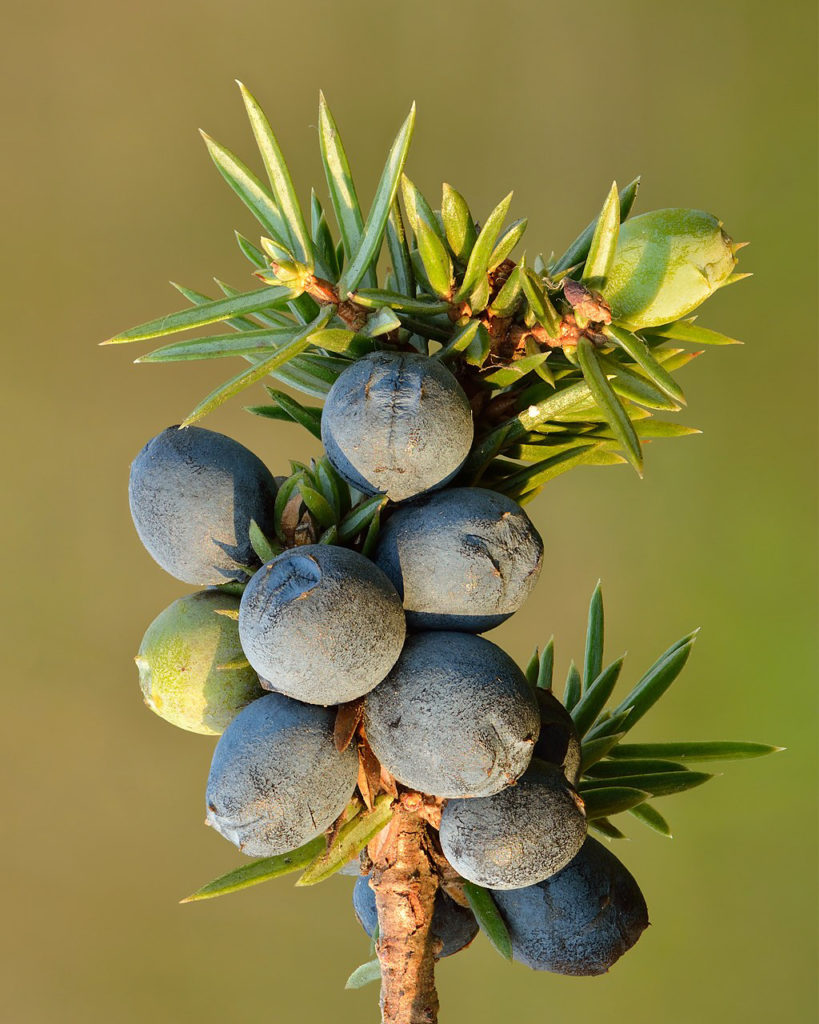
Walk into a good gin bar and you can usually sense, within a minute or two, that you are standing inside several centuries at once. There is the back bar lined with clear and amber bottles, some classic and juniper-heavy, others bright with citrus, seaweed, olive, tea, or spice. There is the ritual of the serve, the stemmed glass, the measured pour, the garnish chosen with more care than many kitchens give a side dish. There is a language around style, origin, proof, tonic, ice, and botanicals that would have been partly familiar to a London drinker in the 1700s and completely strange to them at the same time.
The modern gin bar did not appear fully formed. It is the product of social panic, tax policy, empire, industrial chemistry, refrigeration, glassmaking, branding, cocktail culture, and changing ideas about taste. Its roots are rougher than its polished marble counters suggest. If you want to understand why a gin bar looks and behaves the way it does now, it helps to start not with elegant martinis but with medicine, grain spirit, and a Dutch word.
Before the gin bar, there was genever
Gin begins, historically speaking, with genever, the Dutch and Flemish malt spirit flavored with juniper. Juniper had a long reputation in European medicine, particularly as a digestive aid and diuretic, and spirits infused with herbs were common long before anyone built a bar around them. Genever was not simply neutral spirit with flavoring added for novelty. Traditional forms had a malty, weightier profile, often closer in some respects to whisky than to the crisp London dry style most drinkers now picture when they hear the word gin.
English soldiers and merchants encountered Dutch drinking culture during the 16th and 17th centuries, especially in the context of conflict and alliance on the continent. The old story about “Dutch courage” may be repeated too casually, but it points toward a real exchange. Spirits moved with soldiers, traders, and ideas. By the late 17th century, England was primed for domestic gin production for reasons that had less to do with refined taste and more to do with economics and politics.
At that time, England wanted to support grain producers and weaken dependence on imported French brandy, particularly during periods of political hostility with France. Distilling grain into spirit made practical and financial sense. Laws were adjusted to encourage domestic distillation, and juniper-flavored spirit found fertile ground. What came next was not the stylish gin culture celebrated today. It was a boom, then a crisis.
The Gin Craze, when abundance turned ugly
Early 18th century London became the setting for what historians commonly call the Gin Craze. Consumption surged, especially among the urban poor. Gin was cheap, potent, and often badly made. It could be sold in countless informal settings, and because controls were weak, adulteration was a serious problem. Turpentine and sulfuric compounds enter many popular retellings, sometimes with more dramatic flair than documentation allows, but there is no serious dispute that quality varied wildly and public health suffered.
This is the period that gave gin its darkest cultural associations. William Hogarth’s famous 1751 print Gin Lane is one of the enduring visual documents of that panic, portraying social collapse through the lens of drink. It was propaganda, certainly, but effective propaganda usually grows from recognizable conditions. The state had helped create the conditions for easy spirit production, then recoiled at the consequences.
Several Gin Acts attempted to curb consumption and regulate sales. Some failed because they were too punitive to enforce effectively. Others worked better when they combined licensing and taxation with broader changes in the market. Beer and tea also became more viable alternatives over time. It is tempting to tell this part of the story as a simple morality tale, but it is more useful to see it as a lesson in how a spirit’s reputation can be shaped by class, policy, and place. Gin was Gin Bar not just a drink. It was a symbol, and for a long while it was a disreputable one.
That stain matters because the modern gin bar, even when it does not say so out loud, is partly a rebuttal to that history. Every polished bottle, every careful tasting note, every emphasis on provenance and production is a long way from the image of anonymous rotgut ladled across a rough counter.
Respectability arrived through technology and law
Gin’s transformation into a respectable spirit depended on more than better manners. It required changes in distillation itself. The 19th century brought major technical improvements, most notably the column still associated with Aeneas Coffey. Continuous distillation made it possible to produce cleaner, lighter spirit at scale. That mattered enormously. The rougher character of early grain distillates could now be stripped back, allowing juniper and other botanicals to present in a more precise, elegant way.
This was the environment in which London dry gin emerged as the dominant reference point for much of the world. Despite the name, London dry is a style rather than a guarantee of origin. Its defining features are not sweetness or barrel influence but a relatively dry profile, juniper prominence, and distillation practices that limit what can be added after distillation. Those rules helped establish trust. Drinkers could expect a cleaner product with a more stable character.
At the same time, urban life was changing. Licensed premises became more regulated. Middle-class drinking habits diverged from those of earlier street-level spirit consumption. Branded spirits began to matter more. A bottle from a known producer carried reassurance. This was the beginning of the long relationship between gin and visual identity that every serious gin bar still trades on today. Labels, bottle shape, origin stories, crests, and house styles all became part of the experience.
By the late 19th century, gin had largely climbed out of the gutter in public imagination, though not uniformly and not permanently. It had become acceptable enough to travel with empire, and that changed everything.
Empire, quinine, and the long shadow of the gin and tonic
No single drink has done more to shape the popular image of gin than the gin and tonic. Its history is tangled up with British imperial presence in South Asia and other tropical regions, where quinine was used as an antimalarial treatment. Quinine is bitter, and tonic water developed in part as a more palatable way to consume it. The oft-repeated image of officers casually improving their medicine with gin contains a kernel of truth, though, as with many colonial drinking legends, the romance tends to smooth over the harsher realities of disease, power, and trade.
Still, the drink mattered. It linked gin to refreshment, ritual, and climate. It also linked gin to carbonation, bottled mixers, and service ware. Once tonic water became a commercial product rather than merely a medicinal vehicle, the serve took on a social life of its own. A mixed drink that was brisk, bitter, aromatic, and relatively simple to make could travel well from cantonments to clubs, from hotels to liners, from colonial outposts back to metropolitan bars.
The modern gin bar owes a great deal to that serve, even when it tries to move beyond it. Ask most bar operators what sells in volume, especially outside specialist cocktail circles, and the gin and tonic remains central. It is accessible enough for casual drinkers, flexible enough for experimentation, and revealing enough that a bartender can show off the character of a particular gin. Change the tonic, the ice, the glass, or the garnish, and the entire drink shifts.
A bar dedicated to gin can build a whole identity around that fact. Wine bars speak about terroir and food pairing. Whisky bars speak about cask and age. A gin bar often speaks about serve, balance, and aromatic architecture. That language was made possible, in large part, by the long life of the gin and tonic.
The cocktail age gave gin glamour
If empire made gin global, cocktails made it glamorous. By the late 19th and early 20th centuries, gin was firmly embedded in mixed drinks culture. It paired cleanly with vermouth, citrus, sugar, and bitters. The Martini, the Tom Collins, the Gimlet, the Negroni, the White Lady, and later the French 75 all helped secure gin’s place behind the bar. Some of these drinks evolved significantly over time, and some are still argued over in terms of proportion and origin, but together they established gin as one of the most versatile base spirits in the canon.
That versatility is one reason the gin bar as a concept works so well. A whisky bar can impress through depth and rarity, but a gin bar can offer both depth and movement. Gin changes character dramatically across cocktails. A robust juniper-forward London dry behaves differently from a softer contemporary gin heavy on floral notes. Put each into a Martini and the distinction is obvious. Put them into a Collins or a Red Snapper and you get another dimension entirely.
Prohibition in Gin Bar the United States also played a paradoxical role in gin’s story. Much illicit spirit during that era was poor quality, and so-called bathtub gin often had little to recommend it beyond availability. Yet because gin could be flavored relatively quickly, it remained practical in clandestine contexts. That reinforced gin’s place in cocktails, where citrus, sugar, and vermouth could help smooth rough edges. The lesson lingered. Even after legal markets stabilized, gin remained tied to the bar rather than only to the bottle shop.
By the mid-20th century, however, that glamour had become uneven. In some places gin remained sophisticated. In others it grew stale, associated with older drinking habits, predictable hotel bars, or aggressively simple mixed drinks. For a while, vodka stole much of gin’s modernist thunder.
The years when gin went quiet
Every spirit category has periods of overexposure and retreat. Gin’s quieter decades, especially in the later 20th century, are easy to overlook now because the current shelves look so abundant. But there was a stretch when many bars treated gin as a standard utility spirit rather than a field of exploration. You stocked a few known labels, made the expected classics, poured plenty of gin and tonics, and moved on.
This was not the death of gin by any means. It remained important in Britain, Spain, parts of the Commonwealth, and classic cocktail circles. Yet it lacked the expansive energy that defines the modern gin bar. There were fewer new producers, less public discussion of botanicals, and not much incentive for venues to build an entire identity around the category.
Two things changed that. The first was the craft spirits movement, which encouraged small producers to enter markets once dominated by large houses. The second was the cocktail revival of the late 20th and early 21st centuries, which pushed bartenders and drinkers back toward classic recipes and traditional spirits. Once bartenders began treating the Martini seriously again, gin had to be treated seriously too.
The craft boom rebuilt the category from the still outward
The modern gin revival is often dated to the 1990s and 2000s, though its roots are slightly earlier. New distilleries began to appear, many of them small, ambitious, and botanically adventurous. Some respected London dry conventions. Others loosened them deliberately, using local herbs, unusual citrus, savory notes, and novel distillation techniques.
This was not only about flavor. It was also about narrative. Consumers had become more interested in who made a spirit, where it came from, and why it tasted the way it did. Gin proved unusually well suited to this shift because botanicals offer such an immediate storytelling tool. A producer can talk about juniper from one region, coriander from another, peel dried in-house, coastal plants gathered nearby, or vapor infusion instead of maceration. A knowledgeable bartender can then carry that story to the guest in thirty seconds or three minutes, depending on how busy the room is.
Some developments mattered more than others:
- Better small-scale still technology allowed new producers to enter the market without the capital burden once required.
- A revived interest in classic cocktails created demand for gins with distinct personality rather than anonymous neutrality.
- Premium tonic brands improved mixers, which raised expectations for the humble gin and tonic.
- Social media rewarded attractive bottles, elaborate serves, and local brand stories.
- Consumers became more comfortable paying for perceived craft and provenance.
The result was a category explosion. In some markets, the number of available gins moved from a modest shelf set to hundreds of labels within little more than a decade. Not all of them deserved to exist, and anyone who has tasted through enough trade samples knows how thin the line can be between “botanically expressive” and “tastes like a candle shop.” Still, the expansion changed bar culture permanently.
A gin bar was no longer simply a place that served gin. It became a place that curated choice.
Why the modern gin bar looks the way it does
Today’s gin bar is shaped by both abundance and the need to make abundance legible. When a venue carries 80, 150, or even 300 gins, selection alone is not enough. The room needs a point of view. The most compelling gin bars understand this. They do not just display bottles. They interpret them.
That is why menus often sort gin by style, region, or dominant botanical profile. It is why bartenders ask not merely “What gin would you like?” but “Do you want something classic and juniper-led, or softer and citrus-driven?” It is why garnish moved from an afterthought to a form of calibration. Grapefruit can sharpen and lift one gin while overwhelming another. Rosemary can add savory depth in the right glass but flatten a delicate spirit if overused. Cucumber, for all its popularity, can be a bully.
The modern gin bar also borrows from wine service more than many people notice. Glassware matters. Temperature matters. Dilution matters. The size and density of ice matter a great deal, especially in long drinks. If a bar charges premium prices for gin, it must control these variables well enough that the guest can taste what they are paying for.
The strongest venues usually get several details right at once:
| Element | What a strong gin bar does | |---|---| | Selection | Curates broadly but with intent, avoiding dead space and novelty for its own sake | | Staff knowledge | Explains styles and serves clearly, without turning the bar into a lecture hall | | Tonics and mixers | Offers real choice, since tonic can change a drink as much as the gin | | Garnish | Uses it to support aroma, not as decoration piled on for photographs | | Cocktails | Balances classics with originals that respect the base spirit |
This combination is more demanding than it looks. A large back bar creates training problems. Staff turnover can erode expertise. Slow-moving bottles tie up capital. Guests sometimes want guidance, and sometimes they just want a familiar G and T with no performance attached. Running a serious gin bar means recognizing those trade-offs rather than pretending every table wants the same kind of experience.
Spain, Britain, and the international shape of the category
Although gin is often narrated through British history, the modern gin bar also owes a lot to Spain. The Spanish gin tonic, typically served in a balloon glass with ample ice and highly expressive garnish, helped recast the drink as an upscale ritual rather than a basic mixed pour. In many cities, this style influenced presentation even when the local tradition was different. Some bars embraced it enthusiastically. Others borrowed the theater while quietly reducing the garnish excess.
Britain, meanwhile, remained crucial as a production and consumption center, especially as new distilleries spread beyond London into Scotland, southwest England, and further afield. The language of craft gin, botanical individuality, and local identity became especially strong there. It was not uncommon to see bars presenting domestic gins almost as regional ambassadors.
Elsewhere, the category adapted to local drinking cultures. In Japan, precision service and attention to ice gave gin drinks a particular clarity and poise. In Australia, local botanicals and native ingredients helped define a distinct identity. In the United States, the cocktail revival and distillery tourism worked together, creating bars that were part tasting room, part education space, part social venue.
This international spread matters because it has prevented the modern gin bar from becoming a museum piece. It keeps evolving through exchange.
What changed behind the stick
Spend enough time in bars and one pattern becomes obvious. Spirits rise when bartenders can do something meaningful with them. Gin’s resurgence is inseparable from professional bartending culture. Once bars began rebuilding classic technique, paying attention to vermouth freshness, measuring accurately, investing in better ice, and revisiting old recipe books, gin regained its natural habitat.
There is also a practical side to this. Gin invites menu development. It can anchor low-sugar aperitif drinks, highball-style serves, bitter stirred cocktails, citrus sours, and savory house signatures. A back bar rich in gin gives a team room to create without drifting into sameness. For operators, that flexibility is valuable. For guests, it means a specialist gin bar can satisfy both the enthusiast chasing obscure bottles and the casual drinker who just wants one excellent cocktail.
A seasoned bartender will also tell you that gin reveals mistakes quickly. Over-dilute it and the structure collapses. Pair it with a clumsy tonic and the aromatics vanish. Use stale citrus and the drink tastes tired immediately. In that sense, the modern gin bar thrives because gin rewards care. It also punishes indifference.
From category to culture
The phrase gin bar now means more than a room with a lot of gin in it. It describes a culture of service and attention. There is usually a visible respect for ingredients, for style differences, for old recipes and new distillation ideas. The best examples are not snobbish. They are generous. They know when to discuss vapor baskets and botanical extraction, and when to simply place a cold glass on the table and let the drink do its work.
That culture is still young enough to be unsettled. The market is crowded. Some producers lean too hard on novelty. Some bars treat quantity as a substitute for intelligence. The sugar-laced pink gin wave showed how quickly marketing can outpace substance. Yet the core idea remains sound. Gin has enough history, enough diversity, and enough practical usefulness behind the bar to support specialist venues with real depth.
When you stand at a modern gin bar, you are looking at the end result of a long and improbable journey. A medicinal spirit became a social problem, then a regulated commodity, then an imperial companion, then a cocktail cornerstone, then a craft canvas. The bottles may be arranged by region or style now. The labels may be elegant, the tonic artisanal, the staff meticulously trained. But beneath all that polish sits a drink whose past is messy, political, and remarkably alive.
That is what gives the category its staying power. Gin is not static, and neither is the bar built around it. Every new distiller, every revived classic, every adjustment in garnish or tonic is another small chapter added to a story that began centuries before anyone thought to call a venue a gin bar.
The Winslow
243 E 14th St
New York, NY 10003, United States
Phone: +1 212-777-7717
FAQ About Gin Bar
How to do a gin tasting?
Start with a small pour and gently smell the gin before taking a small sip. Notice its juniper, citrus, floral or spice notes, then compare how the flavor changes with a little water or tonic. At a gin bar, ask the bartender to explain the selection and botanical pairings.
How to make the best tasting gin and tonic?
Use chilled gin, fresh tonic and plenty of ice. A common starting ratio is one part gin to two parts tonic, adjusted to taste. Choose a garnish that complements the gin's botanicals and stir gently to preserve the bubbles.
What is the smoothest tasting gin?
There is no single smoothest gin for everyone. Perceived smoothness depends on the botanical recipe, alcohol strength, serving temperature and mixer. Describe whether you prefer citrus, floral, herbal or juniper-forward flavors so a bartender can suggest a suitable style.
❧